What to look for in your electrical system
Electrical issues don’t always come with dramatic sparks. More often, you’ll notice subtle signs that something isn’t right. Across Utah, homeowners report flickering lights, outlets that feel warm to the touch, and breakers that trip more often than they should. These aren’t minor quirks; they’re signals that your electrical service may be overstressed, aging, or improperly wired.
Begin with simple checks. If a single outlet feels warm or hums when in use, stop using it and have an electrician inspect. If lights dim when you turn on a high-draw appliance, that can indicate a weak main feed or a shared circuit issue. In Utah homes with solar, generators, or complex panel setups, these symptoms can multiply. A broad, statewide service like Utah Smart Home Wiring often sees these patterns across many homes in different climates and neighborhoods.
Common warning signs you should not ignore
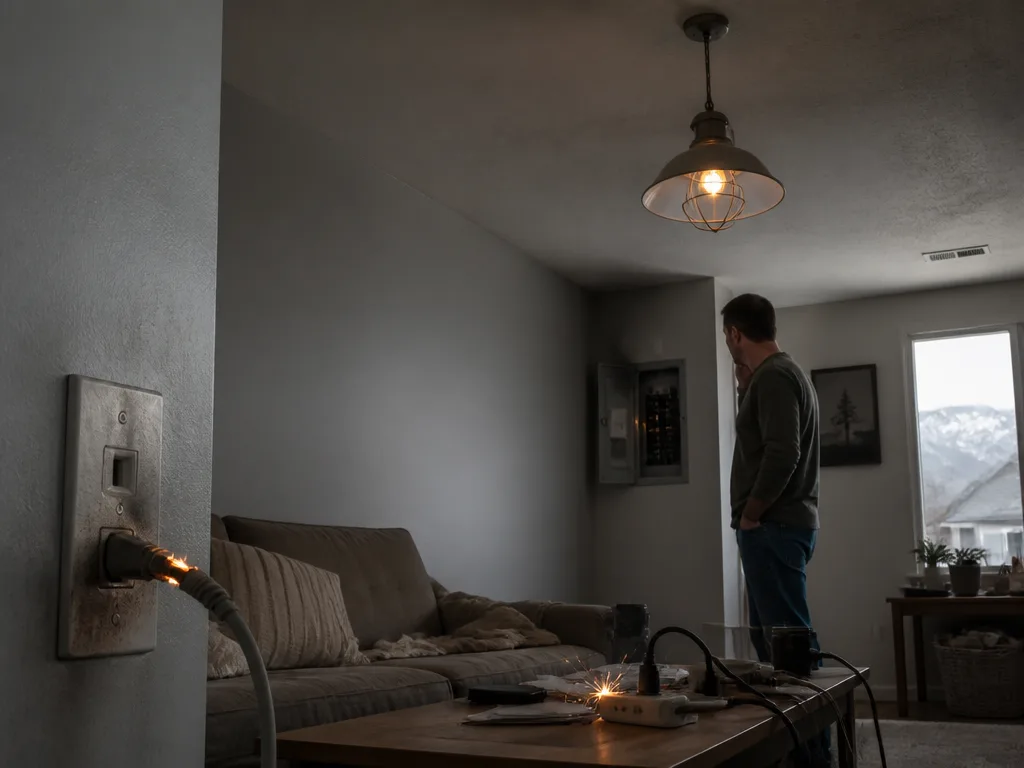
One telltale sign is frequent breaker trips. If you reset a breaker and it trips again within minutes, there might be a fault in wiring, a short, or an overloaded circuit. Another red flag is outlets or switches that feel hot to the touch. Heat means resistance and potential fire risk. Buzzing sounds from a panel or outlets are also a legitimate warning sign. Do not assume these will go away with time.
Outdoor electrical features deserve attention as well. Weather is a constant factor across Utah; exposed wiring or outlets near damp areas can deteriorate faster. If you notice discoloration on outlets, a burning smell, or any scorch marks around the panel, you should pause any use and call for a professional assessment right away.
What a professional assessment includes
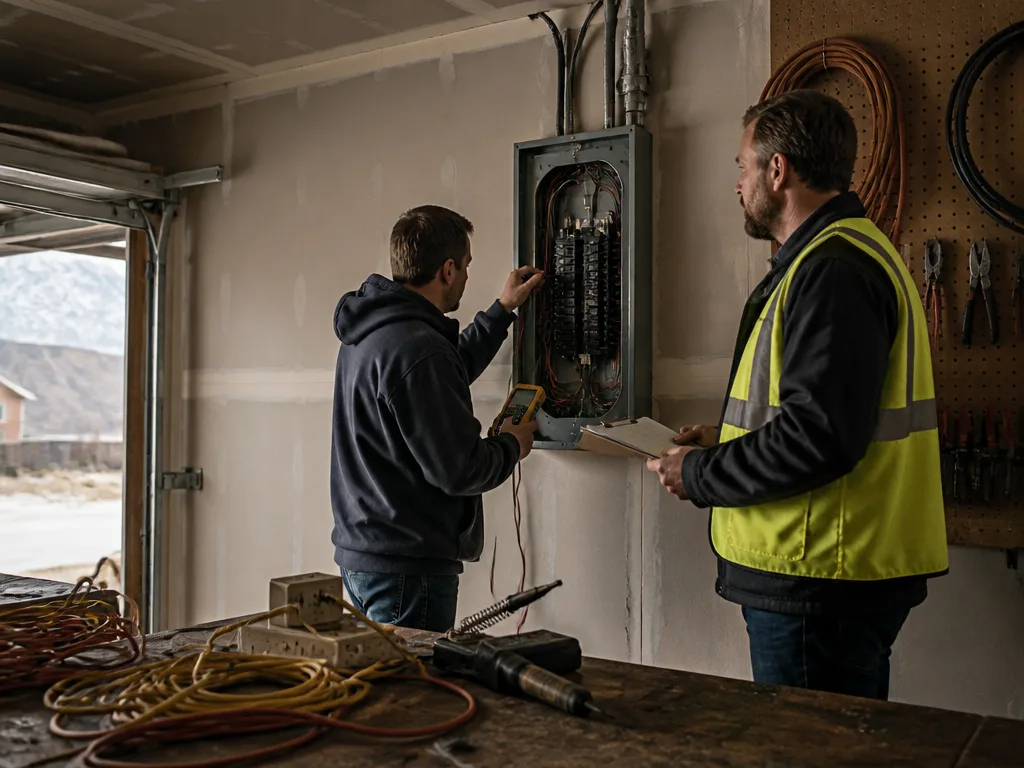
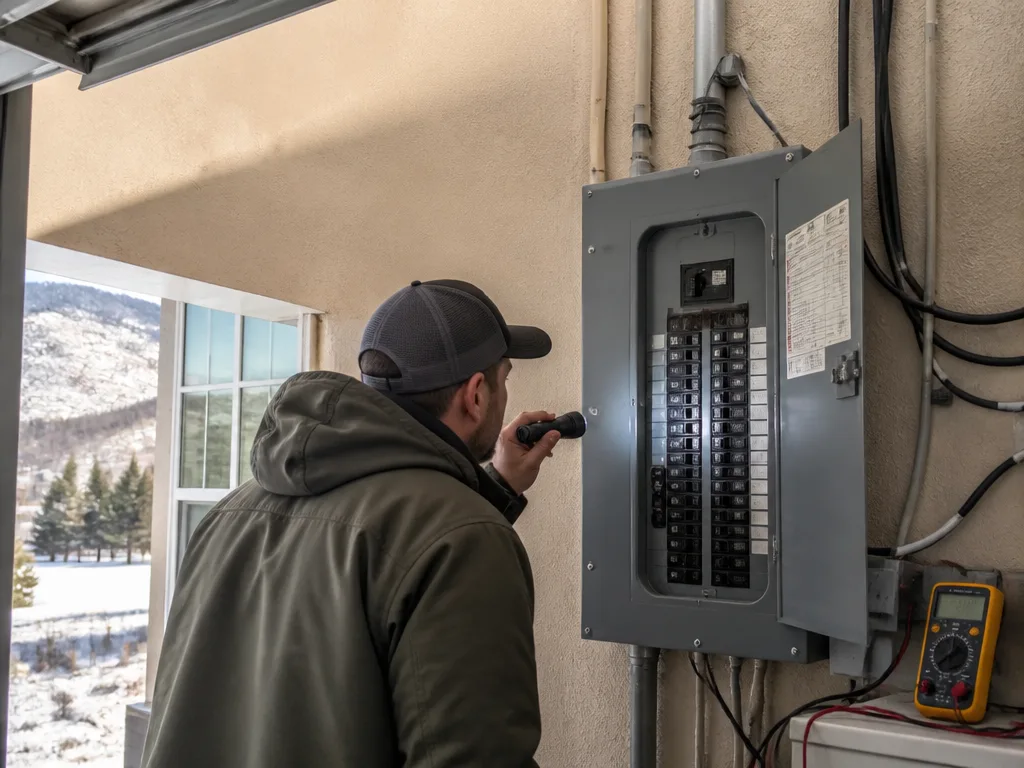
When Utah Smart Home Wiring comes out, the electrician starts with a thorough inspection of the main service panel, the grounding system, and the condition of branch circuits. They’ll verify that neutral and grounding are properly bonded and check for signs of corrosion. They’ll assess safety devices like arc fault circuit interrupters and ground fault circuit interrupters, making sure they’re correctly installed and functioning.
A typical assessment also includes a load calculation to determine if the service size matches the actual demand in the home. If upgrades are recommended, you’ll get a clear explanation of options, costs, and the potential benefits in everyday use and safety. The goal is to prevent avoidable fires and to make sure you’re operating within safe electrical limits across Utah.
Practical steps for homeowners
Keep a simple log of any recurring symptoms: when the issue happens, what device is in use, and what the room feels like. This helps the electrician diagnose faster. Replace damaged outlets or corroded switches promptly. If you’re due for a panel upgrade, plan ahead for the job rather than letting the problem worsen. And remember that older homes in Utah may have outdated wiring that needs upgrading to meet current safety standards.
- Schedule a safer, statewide electrical service evaluation if you notice repeated trips or warmth from outlets.
- Don’t stack high-draw devices on a single circuit; spread the load across branches as advised by the electrician.
- Keep a clear area around the main panel; never block access or use a nearby outlet for temporary power extensions.
Across Utah, Utah Smart Home Wiring aims to identify issues early and provide practical, safe solutions. If you’re in Utah and notice any of the warning signs described here, a professional assessment is the prudent next step.